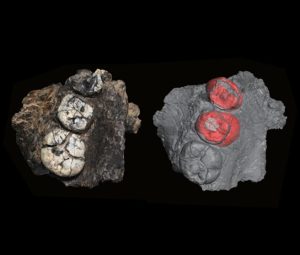
Publication Comptes Rendus Palevol

International Workshop in Addis-Ababa
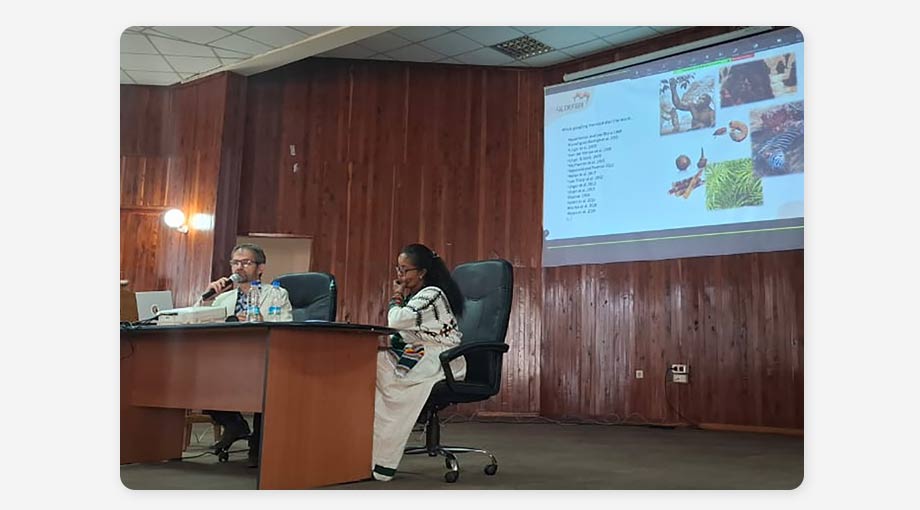
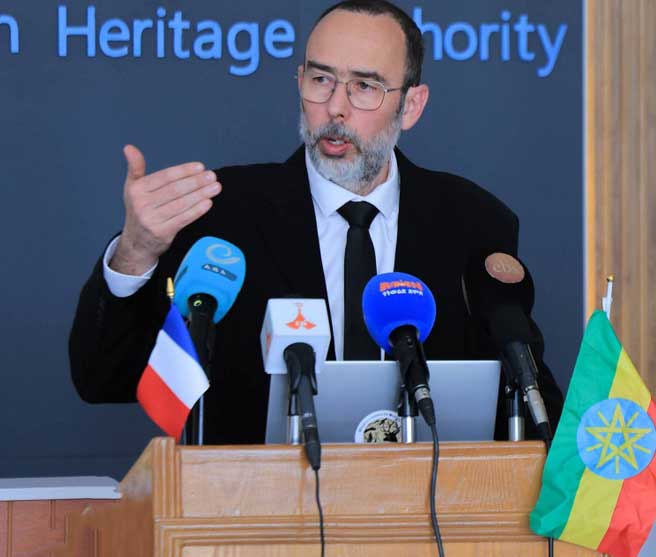
The head of PALEVOPRIM lab, Gildas Merceron, is presently participating an international workshop in Addis Ababa titled “Investigating Paleoecosystems & Prehistoric Cultures in Ethiopia”.
This workshop marks the official launch by the CNRS and Ethiopian Heritage Authority (EHA) of the first international research laboratory (IRL) in eastern Africa, PALÆTHIOPS, of which PALEVOPRIM will be a major partner especially through our strong implication into the OGRE (Omo Group Research Expedition) project.
Official launch of the IRL PALÆTHIOPS
The PALÆTHIOPS lab, directed by Jean-Renaud Boisserie (CNRS Ecology & Environment) and Tomas Bedane Getachew (EHA), is dedicated to studying the evolution of Pliocene-Quaternary paleoecosystems in the Lower Omo Valley in comparison with other African sites.
It focuses in particular on the subsistence strategies of human species from the Pliocene to the Holocene, the evolution of megaherbivores, and the biogeographic history of all these organisms.
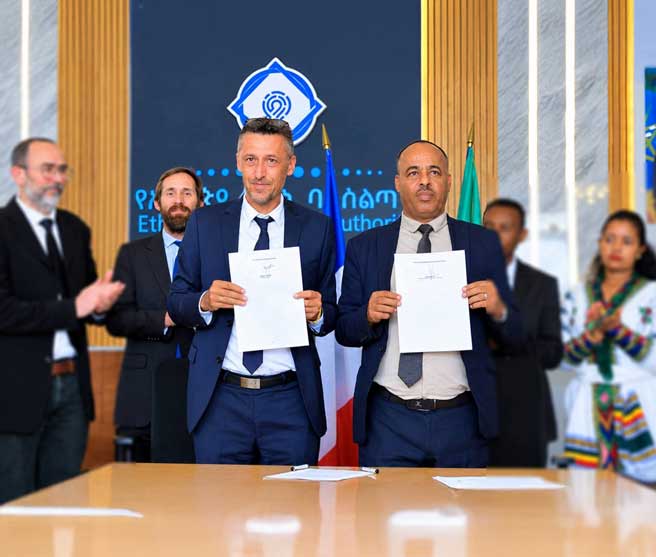
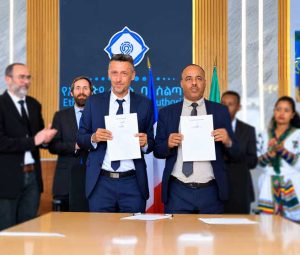
Creation of the IRL by the CNRS and the Ethiopian Heritage Authority – From left to right:
- J.-R. Boisserie (director of PALÆTHIOPS),
- Julien Voituriez (First Counsellor at the French Embassy in Ethiopia),
- Benoît Hazard (Director of the CNRS Office for Eastern Africa),
- Eliyas Shikur (Deputy Director of the EHA),
- Tomas Getachew Bedane (Deputy Director of PALÆTHIOPS),
- Etagegnehu Asres (Director of the Heritage Research Department at the EHA).
Guillaume Daver & Gildas Merceron (Palevoprim) took part in the international PALÆTHIOPS conference with two presentations:
New postcranial remains from the Shungura Formation (Lower Omo Valley, Ethiopia) suggest divergent locomotor trends between Paranthropus boisei and early Homo
- Since the OGRE resumed fieldwork in 2006 in the Omo, 16 additional hominin postcranial specimens have been recovered from the Shungura Formation, bringing the total to 30. Our analyses of the foot, forearm and hand (locality OMO 323), shoulder, ribcage, and cervical skeleton (OMO VE 3) reveal strong locomotor diversity between 2.3 and 1.8 Ma, including evidence for retained climbing and suspensory behaviors in australopiths and reduced locomotor constraints on the forelimb in Homo erectus.
New postcranial remains from the Shungura Formation (Lower Omo Valley, Ethiopia) suggest divergent locomotor trends between Paranthropus boisei and early Homo
- The African fossil record of primates is rich. Although numerous cercopithecid and hominid fossils are found in close association, these taxa did not necessarily share the same habitats. By combining dietary proxies capturing different aspects of feeding behavior, we aim to assess species’ dietary niche breadth, ecological overlap, and how these patterns were affected by regional climate variations.
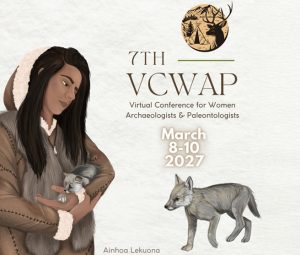
March 8-10 2027
7th Virtual Conference for Women Archaeologists and Paleontologists

October 10-11 2026
Palevoprim invites you to l'Hôtel de ville, Poitiers
October 2026
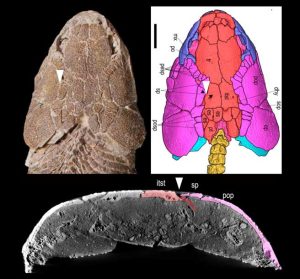
Publication Scientific Reports
September 29-30 2026
International workshop in Addis Ababa and official launch IRL PALÆTHIOPS
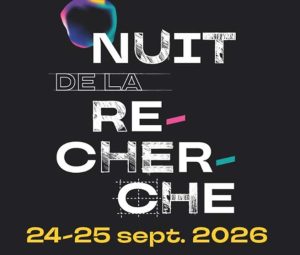
September 25 2026
Night of research in New Aquitaine, Poitiers