




Missions
Thailand
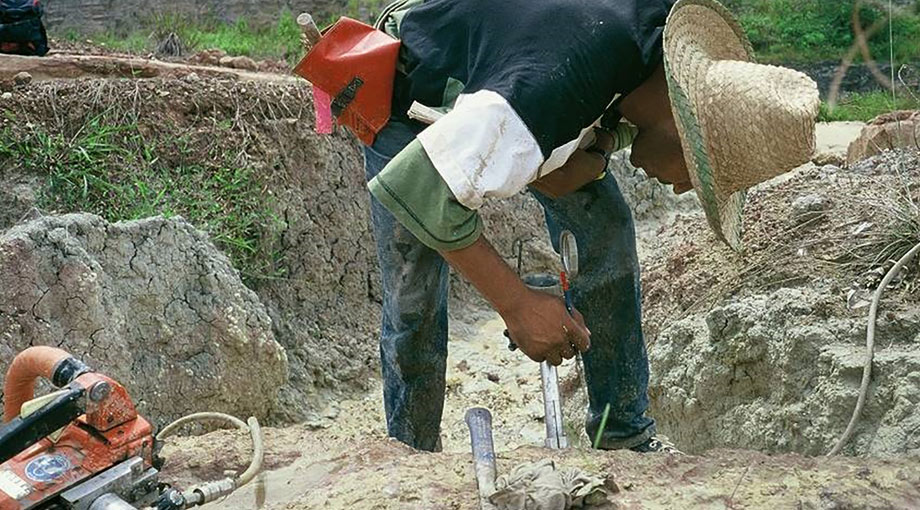
General research question
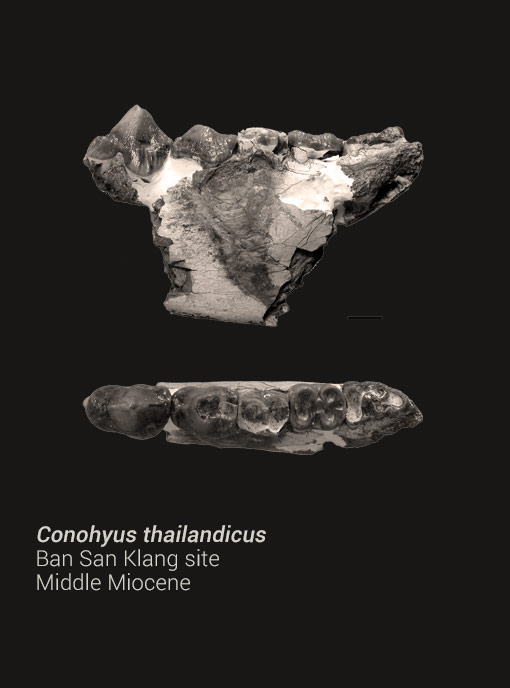
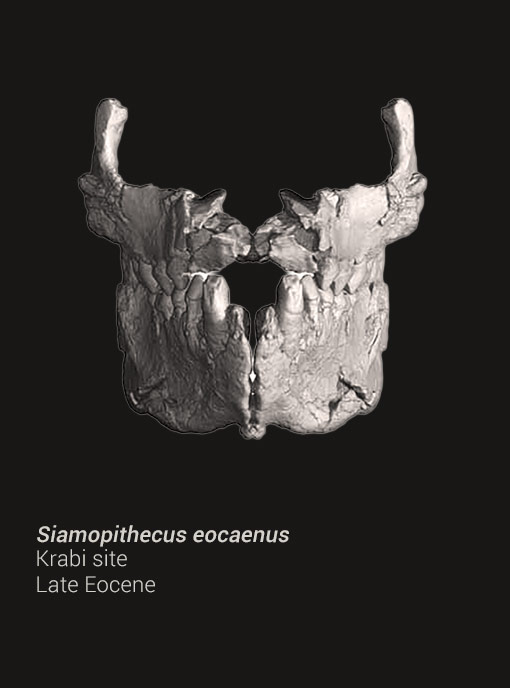
The Miocene mammal faunas of Thailand contain numerous primate forms such as sivaladapids, tarsiers, pliopithecids, and hominoids, which give these sites exceptional significance for our evolutionary history.
Selected results
Numerous publications and theses have resulted from over 30 years of research covering geology, dating, mammal faunas—especially the great diversity of primates. This work has contributed significantly to our understanding of the history and evolution of primates, as well as many other mammal groups (carnivores, rodents, rhinocerotids, anthracotheres, ruminants, etc.). Regarding hominoids, these studies led to the recognition of a new genus, Khoratpithecus, considered the closest form to modern orangutans.
Mission structure
The MPFT (Franco-Thai Paleontological Mission) is a transdisciplinary research mission (paleontology, geology, paleoenvironments) led by PALEVOPRIM in close partnership with Thailand’s Department of Mineral Resources and Chulalongkorn University in Bangkok.
Funding
The primary funding comes from PALEVOPRIM (a joint research unit of CNRS and the University of Poitiers).
Thailand
Numbering of samples collected
Thailand
The excavations are
located in a quarry
Thailand
Excavation of a fossil


