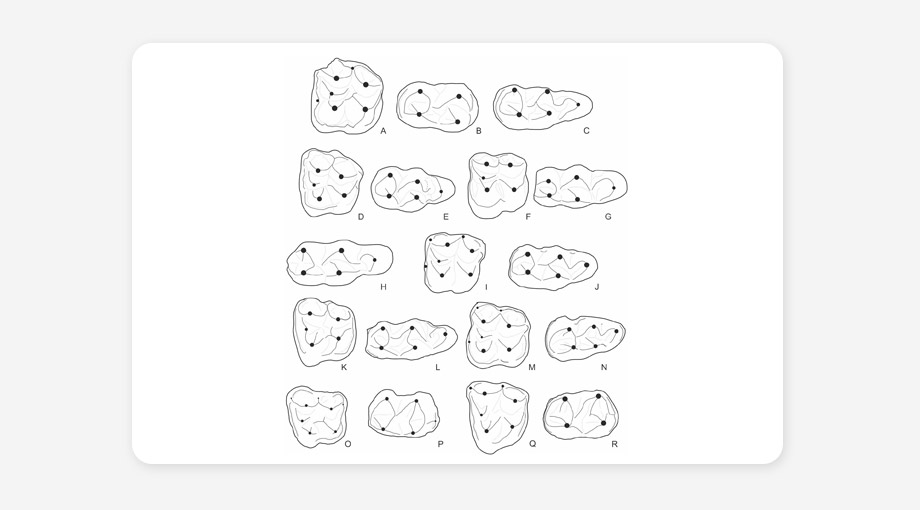
Fig. 4. Interpretive drawings of upper and
lower molars of microbunodontine taxa.

References

Ducrocq, S., Chaimanee, Y., Yamee, C., & Jaeger, J. J. (2024). A new anthracothere (Hippopotamoidea, Anthracotheriidae) from Oligocene deposits of southern Thailand. Journal of Vertebrate Paleontology, 44(5), e2467012.

hal-04967601
DOI : 10.1080/02724634.2025.2467012

A new anthracothere (Hippopotamoidea, Anthracotheriidae) from Oligocene deposits of southern Thailand

The Paleogene fossil record is poorly known in Thailand with only two fossil assemblages of late Eocene and late Oligocene ages.

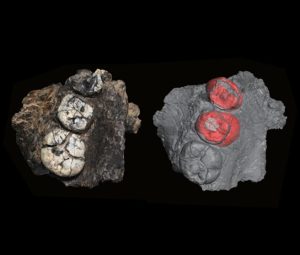
We report here dental remains of two distinct anthracotheres from the new locality of Khian Sa in peninsular Thailand. One form, Oligokeryx khiansaensis, gen. et sp. nov., is attributed to a small Microbunodontinae and the other one very likely belongs to a larger anthracotheriine.

The tooth morphology of the new microbunodontine indicates that it belongs to a derived taxon close to the late Eocene Geniokeryx thailandicus and suggests an early Oligocene age for Khian Sa.

Although very limited in diversity, the anthracotheres from Khian Sa extend the fossil record of the Microbunodontinae and they document the first occurrence of the family in the Oligocene of Thailand and expand the evolutionary history of Oligocene mammal communities in Southeast Asia.

March 8-10 2027

7th Virtual Conference for Women Archaeologists and Paleontologists

Scroll to Top