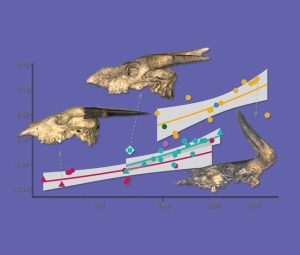
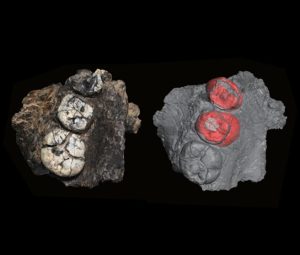
Fig. 2 - Measurements acquired from teeth of
Elephas recki from the Shungura Formation.

References

Tomas Getachew Bedane, Hassane Taïsso Mackaye, Jean-Renaud Boisserie. New data on morphological evolution and dietary adaptations of Elephas recki from the Plio-Pleistocene Shungura Formation (Lower Omo Valley, Ethiopia). Peer Community In Paleontology, 2025.

DOI: hal-04913676
DOI: 10.31233/osf.io/qexuf

New data on morphological evolution and dietary adaptations of Elephas recki from the Plio-Pleistocene Shungura Formation (Lower Omo Valley, Ethiopia)

The abundant and diverse proboscideans are essential terrestrial megaherbivores for studying morphological adaptations and reconstructing paleoenvironments in Africa. This new study of the lineage of Elephas recki from the Plio-Pleistocene deposits of the Shungura Formation aimed at investigating further the interplay between morphological and behavioral adaptations within proboscideans.

For this, we used the most complete and well-preserved third molars of the series for characterizing morphological changes, while describing dietary behavior by applying mesowear angle analysis to all identifiable cheek teeth. Biometric character changes indicated that evolutionary change was not a gradual, progressive trend through the Shungura sequence deposition. Rather, we observed a complex trend involving sudden changes. The mesowear angle analysis suggested that Elephas recki from the Shungura Formation had consistently grazing dietary habits throughout its evolution, except for some slight tendencies of mixed browse/graze diet in certain time intervals.

We therefore did not observe any correlation between morphological change and feeding preferences over two million years.

This delay between the acquisition of the observed diet and purportedly consequent morphological changes questions the classical interpretations of factors at play in this evolutionary sequence.

March 8-10 2027

7th Virtual Conference for Women Archaeologists and Paleontologists

Scroll to Top