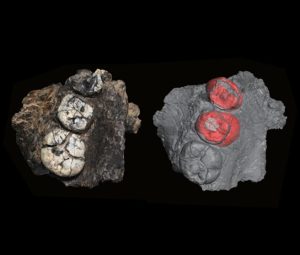
Publication Comptes Rendus Palevol

reptile taxa from the Shungura Formation.
Références
Parker, A. K., Boisserie, J. R., Müller, J., Brochu, C. A., & Head, J. J. (2025). Body size histories of Shungura Formation reptiles in biotic and abiotic environmental context. Peer Community In Paleontology.
DOI: 10.31233/osf.io/2p6e3_v3hal-05461140
Body size histories of Shungura Formation reptiles in biotic and abiotic environmental context
To investigate reptile body size as an ecological indicator and the relationships between size and environmental variables through time, we compared patterns of maximum size from the Plio-Pleistocene Shungura Formation of Ethiopia. For this previously-undescribed reptile fossil record, we provided estimates of body mass for pythonid snakes, aquatic pelomedusid and trionychid turtles, terrestrial testudinid turtles, whose carapace lengths reach over 1m, and crocodylians including Crocodylus, cf. Mecistops, and the tubulirostrine Euthecodon, which is the largest known crocodylian from the Early Pleistocene.
Body size maxima in aquatic taxa correspond to lake level, with large body size observed in aquatic turtles, crocodylians, and hippopotamids during lake high stands on the north side of the Turkana Depression. However, these semi-aquatic groups display heterogenous trends over time and relationships to hydrologic proxies, indicating that their differential niches in these aquatic habitats were linked to different conditions and food resources. Terrestrial tortoises (Testudinidae) exceed 100 kg in mass in three members of the Shungura Formation, but are absent at large sizes between 2.3 Ma and 2.1 Ma, during the main period of hominid stone tool production. We tested for correlation between reptile maximum sizes, mammal maximum sizes and faunal metrics, δ18O and δ13C records from paleosols and mammal tooth enamel, and paleotemperature estimates across members of the Shungura Formation. After correction for multiple comparisons, no correlation tests between reptile size and paleoenvironment or mammal metrics are significant.
However, high correlation coefficients between size maxima and paleosol δ18O values suggest temporal coincidence between size change and shifts in hydrological regimes and evaporation levels.
These results identify links between maximum size in reptiles and local environments that, if confirmed by trends in other settings, could be utilized in the future as paleoenvironmental proxies for terrestrial vegetation and aquatic habitats.
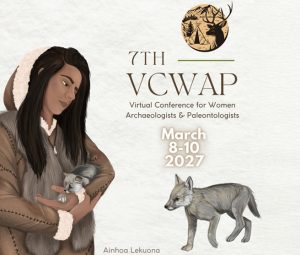
8-10 mars 2027
7ème Conférence virtuelle pour les jeunes chercheuses archéologues et paléontologues

17 octobre 2026
Visites insolites du CNRS à Palevoprim

10-11 octobre 2026
Palevoprim vous invite à l'Hôtel de ville, Poitiers
Octobre 2026
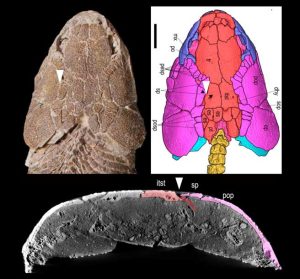
Publication Scientific Reports
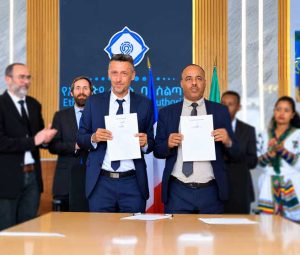
29-30 septembre 2026
Colloque international à Addis-Abeba & création de l'IRL PALÆTHIOPS